
The Complete Guide to Vehicle Graphics: Wraps, Decals, and Window Perforations
Mobile advertising delivers unmatched ROI compared to traditional advertising. Your vehicle becomes a moving billboard that reaches thousands of potential customers daily. This comprehensive guide covers full wraps, partial wraps, decals, and window perforations to help you choose the right vehicle graphics solution for your business.
Full Wraps vs Partial Wraps vs Decals
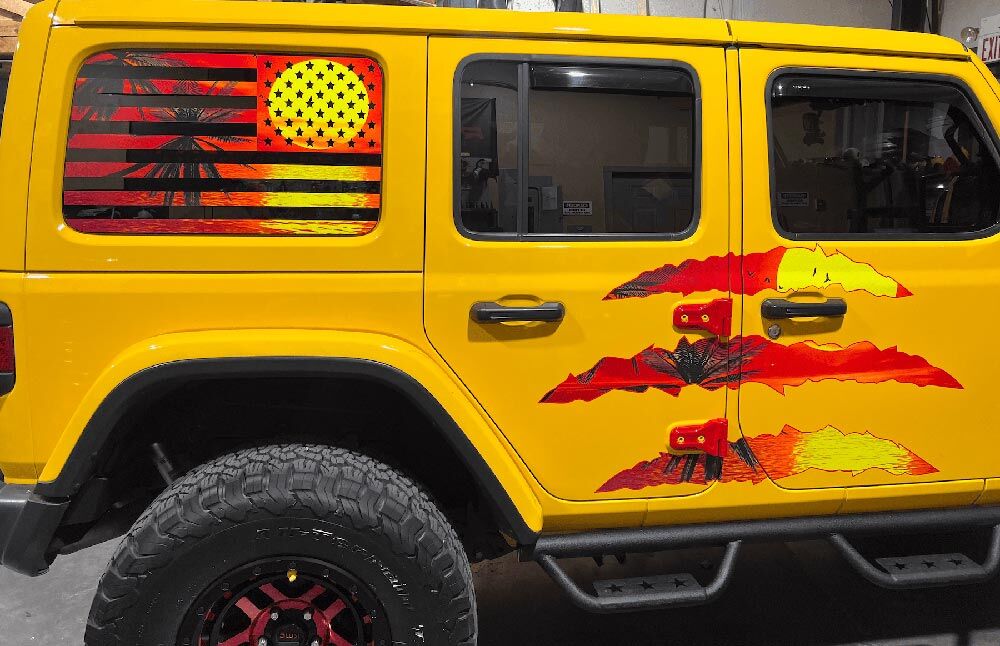
Full Vehicle Wraps - Maximum Impact
Coverage: Complete vehicle coverage including doors, hood, roof, and bumpers. Transforms your vehicle into a mobile billboard with maximum visual impact.
Cost: Higher upfront investment but provides maximum advertising value and brand presence.
Best For: Businesses wanting maximum brand visibility, fleet vehicles, long-term advertising campaigns, professional service companies
Partial Wraps - Strategic Coverage
Coverage: Covers key areas like doors, rear panels, or specific sections. Balances impact with cost-effectiveness.
Cost: More affordable than full wraps while maintaining strong visual presence.
Best For: Budget-conscious businesses, targeted advertising on specific vehicle areas, maintaining some original vehicle color
Decals - Cost-Effective Branding
Coverage: Individual graphics applied to specific areas. Logo, contact information, or service highlights on doors or rear windows.
Cost: Most affordable option for basic vehicle branding.
Best For: Small businesses, personal vehicles, simple branding needs, budget-friendly advertising
Window Perforations Explained
Window perforations (also called window graphics or perforated window film) provide unique advertising opportunities that combine visibility with functionality.
- See-Through from Inside: Perforated material allows drivers to see out clearly while displaying graphics to outside viewers. Maintains safety and visibility while advertising.
- Visibility from Outside: From outside, the perforations create a solid-looking graphic that displays your message clearly. High-quality printing ensures vibrant colors and sharp text.
- Legal Considerations: Most states allow window perforations on rear and side windows (not front windshield). Check local regulations for specific requirements. Professional installers know local laws and ensure compliance.
Material Durability and Maintenance
Quality vehicle graphics use premium vinyl materials designed to withstand years of exposure to elements, road conditions, and daily use.
- Lifespan Expectations (3-7 Years): Premium vehicle wraps last 5-7 years with proper care. Decals typically last 3-5 years. Quality materials and professional installation extend lifespan significantly.
- Washing: Hand wash with mild soap and water. Avoid high-pressure washers near edges. Use soft cloths or microfiber towels. Avoid harsh chemicals that can damage graphics.
- Sun Exposure: Premium vinyl includes UV protection that prevents fading for years. Park in shade when possible to extend lifespan. Quality materials maintain color vibrancy even with daily sun exposure.
ROI of Mobile Advertising
Vehicle graphics deliver exceptional return on investment compared to traditional advertising methods.
- Impressions Per Mile: A single vehicle wrap generates 30,000-70,000 daily impressions in urban areas. Over 5 years, that's 50+ million impressions for a one-time investment.
- Mobile advertising is 10-50x more cost-effective.
- Local Market Penetration: Vehicle graphics reach customers in your service area daily. Unlike billboards that reach only one location, mobile advertising follows your business wherever you go.
Design Considerations for Moving Vehicles
Vehicle graphics require specialized design considerations that differ from static signage. Understanding these factors ensures your message is readable and effective.
- Readability at Speed: Text must be large enough to read from distance while vehicle is moving. General rule: 3 inches of text height per 10 feet of viewing distance. Keep messages short and impactful.
- Contact Info Placement: Place phone numbers and websites on rear panels where drivers behind can see them. Side panels work for pedestrians and parallel traffic. Use large, clear fonts for contact information.
- Brand Consistency: Vehicle graphics should match your brand colors, fonts, and logo exactly. Consistent branding across all marketing materials builds recognition and trust.
Tennessee Climate Factors
Middle Tennessee's climate presents specific challenges for vehicle graphics. Understanding these factors helps ensure long-lasting results.
- Heat and Humidity: High summer temperatures and humidity can stress adhesive bonds. Premium vinyl with high-temperature adhesives withstands Tennessee summers without lifting or bubbling.
- Road Salt Effects: Winter road salt can damage graphics on lower vehicle areas. Quality materials resist salt corrosion. Regular washing during winter months protects graphics.
- Moisture and Adhesives: High humidity requires premium adhesives that maintain bond strength. Professional installers use materials specifically rated for humid climates.
Expert Tip from Smiles and Signs
Vehicle graphics represent one of the highest-ROI advertising investments available. Work with professionals who understand vehicle graphics, local climate challenges, and design principles for moving vehicles. Your vehicle is a powerful marketing tool—invest in professional graphics that maximize its potential.