
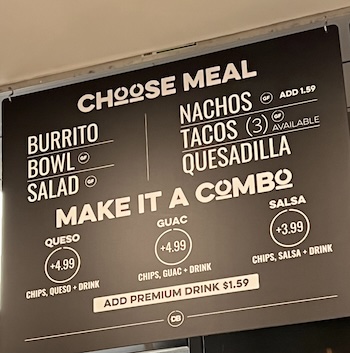
Menu Boards That Actually Sell: Design Secrets from Several Restaurant Projects
Your menu board is one of your most powerful sales tools. It's the first thing customers see when they enter your restaurant, and it influences every ordering decision. After designing menu boards for restaurants across Middle Tennessee, we've learned what works and what doesn't. This guide shares proven design secrets that increase sales and improve customer experience.
Readability Hierarchy
Customers scan menu boards in predictable patterns. Understanding these patterns helps you design menus that guide eyes to high-profit items.
Font Sizes for Different Viewing Distances
Counter Service (5-10 feet): Main headings 2-3 inches, item names 1.5-2 inches, descriptions 1-1.5 inches. Customers need to read quickly while ordering.
Drive-Thru (10-15 feet): Larger fonts required. Main headings 3-4 inches, item names 2-2.5 inches, descriptions 1.5-2 inches. Consider glare from sun and vehicle angles.
Dine-In (15-20 feet): Even larger fonts needed. Main headings 4-5 inches, item names 2.5-3 inches, descriptions 2-2.5 inches. Customers read from tables across the room.
Color Contrast Ratios
High contrast ensures readability. Dark text on light backgrounds (black on white, dark blue on cream) provides best readability. Avoid light gray on white or yellow on white. Minimum contrast ratio of 4.5:1 for body text, 3:1 for large text. Test your design from actual viewing distance before finalizing.
Material Selection by Environment
Different restaurant environments require different menu board materials. Choosing the right material ensures longevity and appearance.
Backlit vs Non-Lit
Backlit Menu Boards: LED-backlit panels provide excellent visibility in dim lighting. Perfect for bars, cafes with ambient lighting, or evening-focused restaurants. Energy-efficient LED systems last 50,000+ hours.
Indoor vs Drive-Thru
Indoor Menu Boards: Standard vinyl or printed materials work well. Focus on readability and design.
Drive-Thru Menu Boards: Require weather-resistant materials, larger fonts, and glare-resistant finishes. Backlit options improve visibility.
Moisture Resistance
Kitchens generate steam and humidity. Choose materials with moisture-resistant coatings. Laminated finishes protect against moisture damage. For high-humidity areas, consider sealed display cases or moisture-resistant substrates.
Layout Psychology
Understanding how customers read menus helps you design layouts that guide purchasing decisions toward high-profit items.
- Eye Path Patterns: Customers typically scan menu boards in a "Z" pattern: top-left to top-right, then down to middle-left, then middle-right. Place high-profit items in these prime locations.
- Strategic Item Placement: Position high-margin items at eye level and in prime scanning zones. Use visual hierarchy (size, color, placement) to draw attention to profitable items without being obvious.
- Pricing Display Tactics: Use consistent pricing format. Consider removing dollar signs (research shows customers spend more). Highlight value items with boxes or colors. Place prices after item descriptions, not before.
Update Flexibility
Menu boards need regular updates for seasonal items, price changes, and special promotions. Design for flexibility without sacrificing appearance.
Modular Designs
Design menu boards with removable panels or sections. Change individual items without reprinting entire board. Magnetic or Velcro-backed panels allow easy updates.
Digital vs Static
Digital Menu Boards: LCD or LED displays allow instant updates via software. Perfect for frequent price changes or daily specials.
Static Menu Boards: Traditional printed boards with modular panels. Best for stable menus with occasional changes.
Seasonal Menu Changes
Design with seasonal sections that can be easily swapped. Summer specials, holiday menus, or limited-time offers need dedicated spaces. Plan for 4-6 seasonal updates per year. Budget for replacement panels in initial design.
Compliance and Safety
Menu boards must meet various regulations and safety requirements. Understanding these requirements prevents costly redesigns.
- ADA Requirements: Menu boards must be readable from wheelchair height (48 inches maximum). Font sizes must meet minimum readability standards. Ensure adequate contrast and lighting.
- Health Department Specs: Some areas require allergen information or calorie counts on menu boards. Check local health department requirements before finalizing design.
- Material Certifications: For commercial kitchens, materials may need fire-resistant certifications. Electrical components (for backlit boards) must meet local electrical codes. Work with professionals who understand these requirements.
Real Examples: Before and After
Here are common menu board problems we've solved for Middle Tennessee restaurants:
Before: Common Problems
- Text too small for viewing distance
- Poor color contrast making items unreadable
- Cluttered layout confusing customers
- No visual hierarchy guiding eye to profitable items
- Difficult to update pricing and items
After: Professional Solutions
- Proper font sizes for viewing distance with clear hierarchy
- High-contrast colors ensuring readability from all angles
- Clean, organized layout with clear sections
- Strategic placement guiding customers to high-profit items
- Modular design allowing easy updates without full reprint
Expert Tip from Smiles and Signs
Your menu board is a sales tool, not just a price list. Every design decision should guide customers toward profitable items while maintaining excellent customer experience. Work with designers who understand restaurant psychology, local regulations, and material requirements. A well-designed menu board can increase average ticket size by 10-20% while improving customer satisfaction. Don't underestimate the power of professional menu board design.